

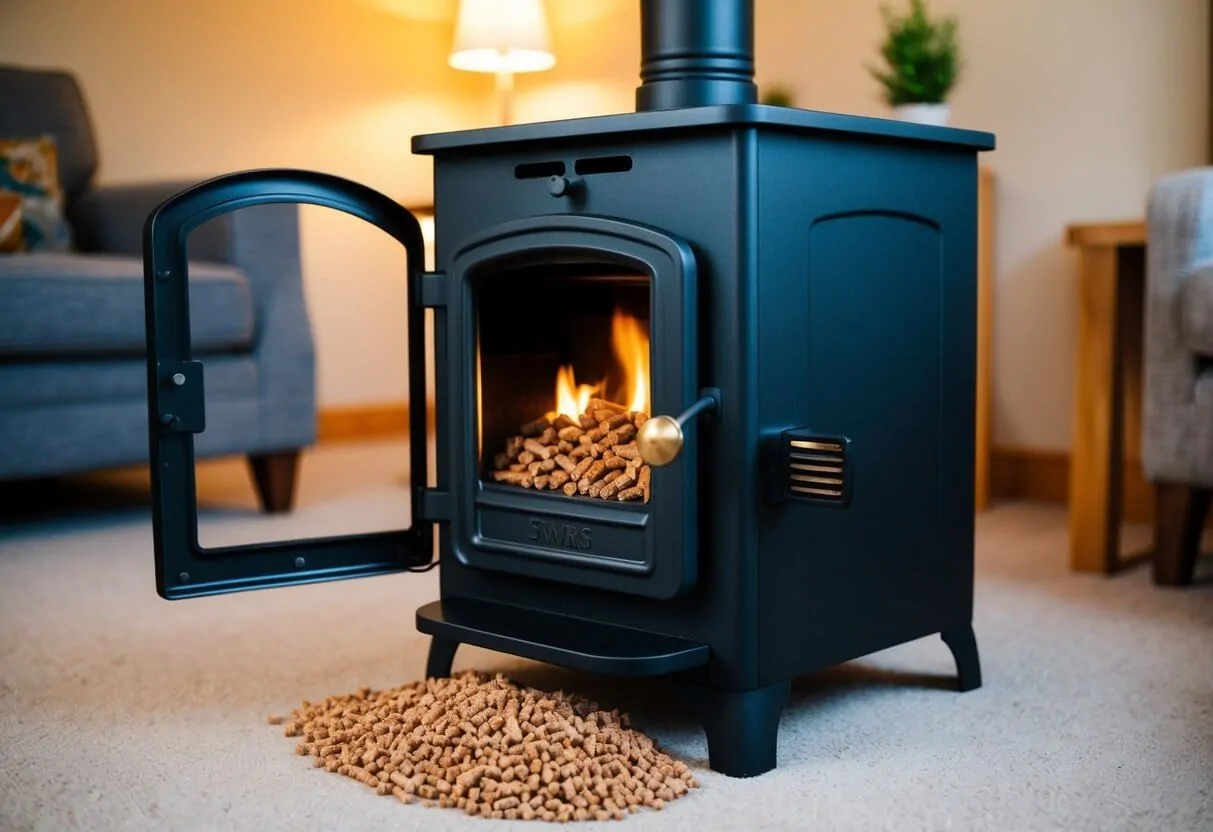
Pellet stoves have become an increasingly popular home heating solution thanks to their energy efficiency, environmental friendliness, and cost-effectiveness. They offer consistent warmth, reduced emissions compared to traditional wood-burning stoves, and automated fuel feeding systems that make them convenient for modern households. However, like any heating appliance, pellet stoves require proper and regular care to operate at peak performance. That’s where entretien poêle à granulé becomes essential.
Proper upkeep not only ensures your stove runs efficiently but also extends its lifespan, reduces the risk of breakdowns, improves safety, and saves you money in the long run. In this comprehensive guide, we’ll explore everything you need to know about maintaining your pellet stove—from daily cleaning tasks to annual professional inspections.
Why Pellet Stove Maintenance Matters
Pellet stoves burn compressed wood pellets, producing heat through a controlled combustion process. Although they are cleaner than traditional fireplaces, they still generate ash, soot, and residue that can accumulate inside the unit. Over time, this buildup can block airflow, reduce heating efficiency, strain internal components, and even create safety hazards.
Regular maintenance provides several key benefits:
- Improved Efficiency: Clean components allow for better airflow and complete combustion, maximizing heat output.
- Lower Fuel Consumption: A well-maintained stove burns pellets more efficiently, reducing waste.
- Enhanced Safety: Removing ash and checking venting systems reduces the risk of chimney fires and carbon monoxide leaks.
- Extended Lifespan: Routine care prevents premature wear on motors, blowers, and electrical parts.
- Fewer Costly Repairs: Small issues can be detected early before they turn into expensive breakdowns.
Ignoring maintenance can result in poor heating performance, increased pellet usage, unpleasant odors, or even complete system failure.
Daily Maintenance Tasks
If you use your pellet stove regularly during the heating season, a few simple daily tasks can make a significant difference.
1. Empty the Burn Pot
The burn pot is where pellets ignite and burn. Ash and clinker (hardened ash deposits) can accumulate quickly, especially if you are using lower-grade pellets. Emptying and scraping the burn pot daily ensures proper airflow and efficient combustion.
2. Check the Glass
Pellet stove glass can develop a thin layer of soot or haze. Wiping it down with a soft cloth and a recommended glass cleaner helps maintain visibility and prevents buildup from becoming difficult to remove later.
3. Monitor Pellet Quality
Not all pellets are created equal. Low-quality pellets produce more ash and residue. If you notice excessive ash buildup, consider switching to premium-grade pellets to reduce cleaning frequency and improve efficiency.
Weekly Maintenance Tasks
Depending on how often you use your stove, weekly cleaning is typically recommended during heavy use.
1. Empty the Ash Pan
Ash pans collect the byproducts of combustion. Allow the stove to cool completely before removing and emptying the ash pan into a metal container. Always store ashes safely away from flammable materials.
2. Clean Heat Exchange Surfaces
Heat exchangers transfer warmth from the combustion chamber into your living space. Dust and ash accumulation can reduce efficiency. Most pellet stoves include cleaning rods or mechanisms designed to help you maintain these surfaces.
3. Inspect Gaskets
Door and hopper gaskets ensure airtight seals. Worn or damaged gaskets can allow excess air into the combustion chamber, affecting performance and safety. Replace them if they appear brittle, cracked, or compressed.
Monthly Maintenance Tasks
Monthly maintenance dives deeper into the internal components.
1. Clean the Exhaust Pathways
Ash and soot can accumulate in exhaust channels, restricting airflow. Carefully vacuum these areas using a shop vacuum designed for ash removal.
2. Inspect the Venting System
Check the vent pipes for signs of blockage, corrosion, or excessive buildup. Proper venting is critical for safe operation and efficient combustion.
3. Check Motors and Fans
Pellet stoves rely on blowers and augers to function properly. Listen for unusual noises and ensure fans are operating smoothly. Dust buildup around motors can lead to overheating.
Annual Professional Maintenance
Even if you diligently follow routine cleaning schedules, scheduling a professional inspection once a year is highly recommended.
A certified technician will:
- Perform a comprehensive internal cleaning
- Inspect electrical connections
- Test safety sensors
- Check exhaust venting thoroughly
- Ensure the stove meets safety standards
- Calibrate settings for optimal performance
Professional pellet stove maintenance provides peace of mind before the heating season begins and helps identify hidden issues that homeowners may overlook.
Signs Your Pellet Stove Needs Immediate Attention
While regular maintenance keeps your stove running smoothly, certain warning signs indicate urgent service may be required:
- Reduced heat output
- Excessive smoke or unusual odors
- Loud or abnormal noises
- Difficulty igniting pellets
- Error codes on the control panel
- Rapid pellet consumption
Addressing these issues quickly can prevent further damage and maintain safe operation.
Tools You’ll Need for Basic Maintenance
To perform routine care, consider keeping these tools on hand:
- Ash vacuum (specifically designed for fine ash)
- Soft brush and scraper
- Glass cleaner approved for stove use
- Replacement gaskets
- Screwdrivers for panel access
- Metal ash container
Always unplug the stove and allow it to cool completely before performing any cleaning or maintenance.
Safety Considerations
Safety should always come first when working with heating appliances.
- Never use a standard household vacuum to clean ash.
- Avoid using water inside the combustion chamber.
- Ensure proper ventilation during cleaning.
- Dispose of ashes in fireproof containers.
- Follow manufacturer guidelines for cleaning intervals and parts replacement.
By following safety procedures, you protect both your home and your family.
Seasonal Shutdown and Storage Tips
When winter ends and you no longer need heating, proper shutdown procedures are important.
- Empty the hopper completely to prevent moisture absorption.
- Perform a deep cleaning before storage.
- Inspect and clean the venting system.
- Cover or protect the vent cap from debris and pests.
- Schedule any necessary repairs during the off-season.
Proper seasonal preparation ensures your stove is ready to operate efficiently when cold weather returns.
Maximizing Efficiency Through Proper Use
Maintenance works best when paired with proper operation. Always:
- Use high-quality pellets.
- Avoid overfilling the hopper.
- Follow recommended temperature settings.
- Maintain clear airflow around the unit.
- Keep combustible materials at a safe distance.
Small operational habits significantly impact performance and longevity.
Long-Term Cost Savings of Regular Maintenance
Some homeowners underestimate the financial value of maintenance. While cleaning and servicing may seem like an added effort, it prevents major repairs, extends component life, and reduces pellet consumption.
A neglected pellet stove may consume more fuel, operate inefficiently, and require costly parts replacement such as blowers or control boards. In contrast, consistent pellet stove maintenance ensures steady heating performance while keeping overall operating costs low.
Final Thoughts
Pellet stoves offer a reliable, eco-friendly, and efficient heating solution, but their performance depends heavily on regular upkeep. From daily burn pot cleaning to annual professional inspections, each step plays a role in maintaining efficiency, safety, and durability.
By investing time and effort into pellet stove maintenance, homeowners can enjoy consistent warmth, lower heating bills, improved air quality, and peace of mind throughout the colder months. A well-maintained pellet stove not only heats your home effectively but also provides years of dependable service.

