

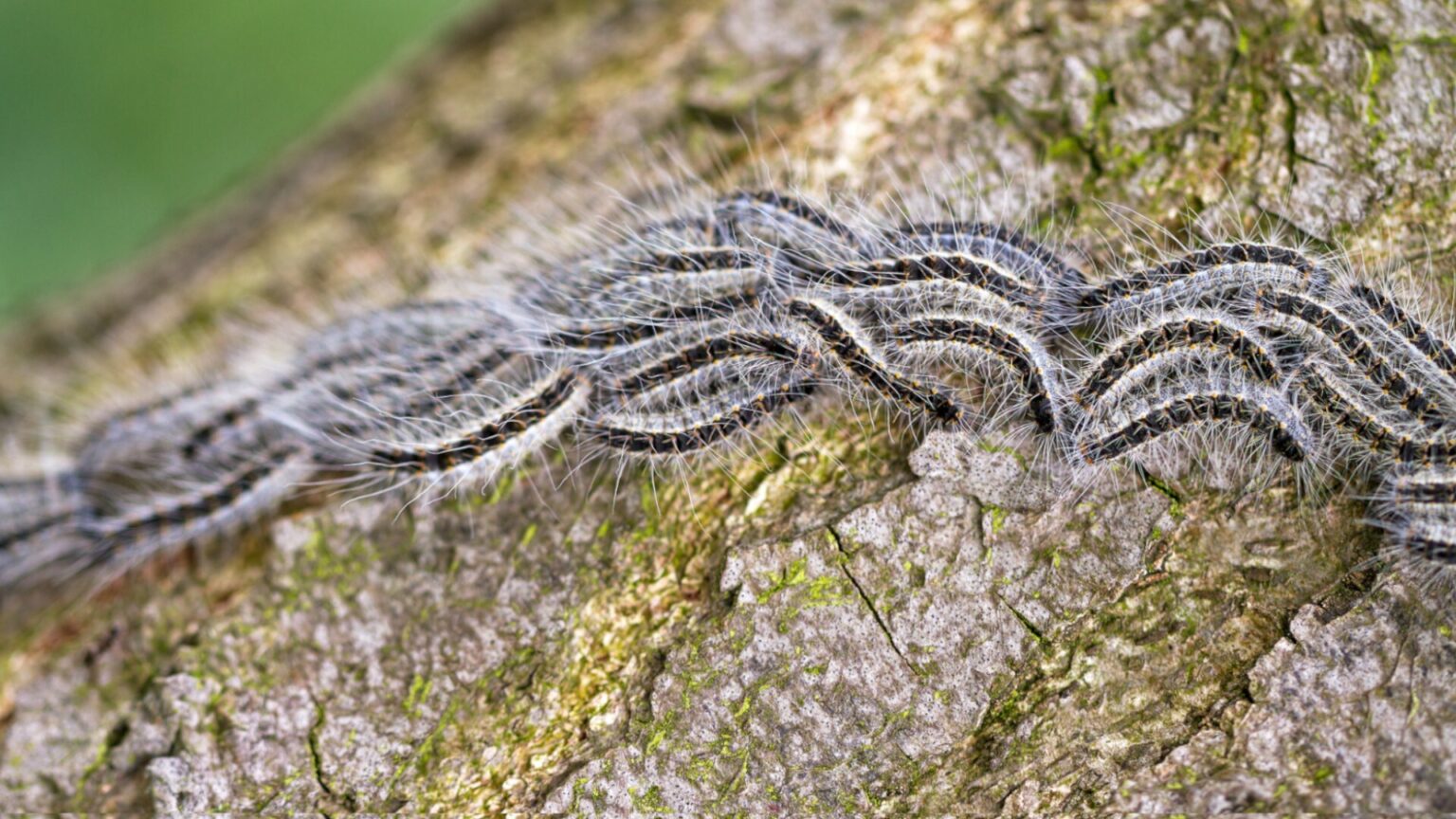
If you live in Luxembourg—or even if you just spend time in parks, forests, and tree-lined neighborhoods—you’ve probably heard warnings about processionary caterpillars. They’re not just a nuisance. Their tiny urticating hairs can cause itching, rashes, eye irritation, breathing issues, and serious reactions in people and pets. Every year, as temperatures rise and caterpillars become active, the risks increase—especially around oak and pine trees where they build their nests.
This guide explains how to spot processionary caterpillars, why they’re dangerous, what safe treatment looks like in Luxembourg, and when it’s time to call professionals. You’ll also find practical prevention tips for homes, schools, businesses, and dog owners.
What Are Processionary Caterpillars?
Processionary caterpillars are the larvae of moths that live in groups and move in long “processions,” nose-to-tail. The two types commonly discussed in Europe are:
- Oak processionary caterpillar (Thaumetopoea processionea)
- Pine processionary caterpillar (Thaumetopoea pityocampa)
In Luxembourg, oak processionary caterpillars get a lot of attention because oak trees are widespread in urban and rural landscapes. When caterpillars reach later stages, they develop thousands of microscopic hairs that easily break off and become airborne.
Why They’re Dangerous (It’s the Hairs)
The main problem isn’t the caterpillar bite or sting—it’s the hairs. These hairs contain an irritating protein that can trigger reactions such as:
Symptoms in humans
- Itchy rash and red bumps (often on arms, neck, face)
- Eye irritation (watering, redness, gritty feeling)
- Throat irritation or coughing
- Breathing discomfort (wheezing in sensitive individuals)
- Rarely, severe allergic reactions
Symptoms in pets (especially dogs)
- Excessive drooling
- Pawing at the mouth
- Swollen tongue or lips
- Vomiting
- Lethargy or distress
Pets are at higher risk because they sniff, lick, or touch caterpillars and contaminated ground. If you suspect a pet has contacted them, treat it as urgent.
When Are They Active in Luxembourg?
Activity depends on weather, but generally:
- Spring to early summer is the high-risk period for oak processionary caterpillars.
- Nests become more noticeable as caterpillars grow and shed more hairs.
- Even after caterpillars move on, old nests can remain hazardous, because hairs persist in the environment.
The key point: you don’t need to see caterpillars to be affected—wind can spread hairs from nests nearby.
How to Identify Them and Their Nests
What caterpillars look like
- Greyish body with darker patterns
- Fine hairs visible (do not touch)
- Move in a line formation
Nests (common signs)
- White/grey silky webbing attached to trunks and thick branches
- Often on the sunny side of the tree
- Nests may look like cottony patches or dense web “pads”
- Around nests you may see:
- Shed skins
- Caterpillar droppings
- Visible processions on the ground or trunk
- Shed skins
If you see a nest on an oak or pine tree near your home, school, or walking route, it’s best to keep distance and plan safe removal.
Why DIY Removal Is a Bad Idea
It’s tempting to grab a ladder and take care of it yourself—especially if the nest is “small.” But DIY removal often causes the hairs to spread even more. Common mistakes include:
- Hosing it down (spreads hairs, contaminates surrounding areas)
- Scraping or knocking it down (aerosolizes hairs)
- Using leaf blowers (worst option: launches hairs into the air)
- Burning nests (dangerous and can spread hairs through smoke/air movement)
- Vacuuming with a household vacuum (most cannot trap microscopic hairs safely)
Professional treatment uses methods designed to minimize airborne contamination and to dispose of material safely.
Safe Processionary Caterpillar Treatment in Luxembourg
Treatment typically falls into three categories: removal, containment, and prevention. The best solution depends on the location, severity, tree type, and how close it is to people or pets.
1) Professional nest removal (most common approach)
Pros use protective gear and specialized equipment to remove nests while limiting hair spread. Depending on access and tree height, they may use:
- Controlled removal tools (from ground or lift)
- Sealed collection systems
- Safe disposal procedures
This is often the go-to choice for homes, schools, playgrounds, daycare areas, and busy public paths.
2) Targeted treatment around affected trees
In some cases, treatment may include methods to reduce caterpillar populations before nests become a bigger hazard. This can be part of a broader seasonal plan for properties with many oaks/pines.
3) Area safety measures (if immediate removal isn’t possible)
Sometimes removal can’t happen the same day. In that case, the safest approach is to:
- Rope off the area and post warning signs
- Keep children and pets away
- Avoid mowing, trimming, or blowing debris under the tree
- Reduce traffic beneath the affected branches
The biggest goal is preventing exposure until the nest can be handled safely.
If you’re arranging Traitement chenille processionnaire Luxembourg, look for a provider that clearly explains how they prevent hair spread, what protective equipment they use, and how waste is disposed of.
What to Do If You Think You’ve Been Exposed
For humans (mild symptoms)
- Move away from the area immediately (avoid rubbing eyes/skin).
- Remove clothing carefully and wash it at a high temperature if possible.
- Take a shower (not a bath) and wash hair thoroughly.
- Rinse eyes with clean water or saline if irritated.
- Consider over-the-counter options:
- Antihistamines for itching
- Calamine or soothing creams
- Mild topical anti-itch products
- Antihistamines for itching
Seek medical advice urgently if:
- Breathing difficulty develops
- Swelling of face/lips occurs
- Severe eye pain or vision changes happen
- Symptoms worsen quickly or are widespread
For pets (treat as urgent)
If your dog has been sniffing near a nest area and suddenly drools, gags, or has swelling around the mouth, contact a vet immediately. Do not wait “to see if it improves.”
Cleaning and Decontamination Tips (After a Nest Is Found)
Even after removal, hairs can remain in the environment.
Outdoors
- Avoid raking or leaf blowing around the tree in the short term
- Don’t let kids play under affected trees
- Consider damp cleaning methods rather than dry sweeping
Indoors (if you suspect hairs entered the home)
- Keep windows closed near affected trees during high-risk times
- Use damp cloths for surfaces (dispose/clean properly)
- If symptoms continue indoors, consult a professional about safe cleaning steps
Prevention: How to Reduce Risk Each Season
If your property has oak or pine trees, prevention matters because infestations often repeat.
Practical steps
- Monitor trees early in the season (especially sunny sides of trunks/branches)
- Limit access beneath suspect trees during peak risk months
- Educate kids not to touch caterpillars or nests (even if they look “fluffy”)
- Leash dogs in wooded parks during peak periods
- Plan annual checks for schools, nurseries, hotels, campsites, and property managers
For businesses and public-facing properties
If you manage a site with regular visitors (cafés with terraces, office parks, schools, sports fields), the risk isn’t only health-related—it can become a liability issue. A seasonal inspection and treatment plan is often cheaper and safer than emergency callouts after exposure.
Choosing the Right Treatment Provider in Luxembourg
When contacting a service, ask questions that show they understand the health risk:
- How do you stop hairs from spreading during removal?
- Do you use specialized equipment or sealed collection?
- What safety perimeter do you recommend before and after treatment?
- How do you dispose of nests and contaminated material?
- Can you advise on prevention for next season?
A credible provider will give clear answers and won’t recommend risky shortcuts.
Common Myths (That Can Make Things Worse)
Myth: “If I don’t touch them, I’m safe.”
Not always. Hairs can travel in the air and stick to clothing, grass, and outdoor furniture.
Myth: “Rain washes the hairs away.”
Hairs can persist and remain irritating even after weather changes.
Myth: “A small nest isn’t dangerous.”
Small nests can still release hairs and cause reactions—especially near high-traffic areas.
Final Thoughts
Processionary caterpillars are a serious seasonal hazard in Luxembourg, but with the right approach, you can manage the risk safely. The most important rule is simple: don’t attempt DIY removal. The hairs are the danger, and incorrect handling can contaminate your garden, pathways, and even your home.
If you suspect nests on your property or near places where children and pets spend time, the safest option is professional Processionary caterpillar treatment Luxembourg—paired with prevention and seasonal monitoring so the problem doesn’t return year after year.

