

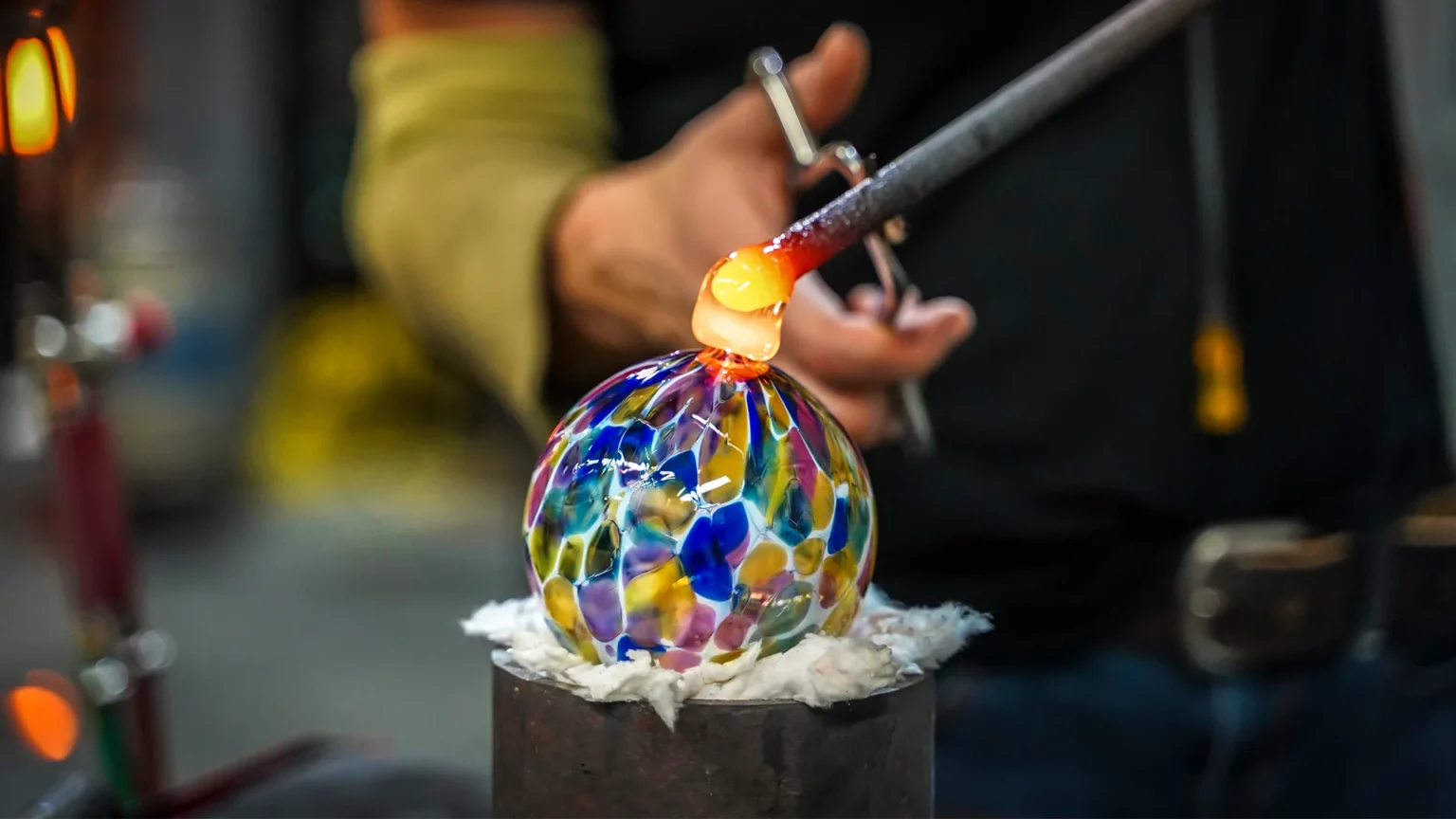
Luxembourg may be small in size, but it carries a rich legacy of craftsmanship that blends tradition with innovation. Among its many artisanal strengths, glasswork holds a special place. From historic stained-glass windows to contemporary architectural installations, Glasswork in Luxembourg reflects a deep respect for artistry, precision, and modern functionality. Today, glass is not just a decorative material in the Grand Duchy—it is an essential component of design, sustainability, and architectural identity.
A Brief History of Glasswork in Luxembourg
The roots of glassmaking in Luxembourg date back centuries, influenced heavily by neighboring countries such as France, Germany, and Belgium. Early glass artisans focused primarily on functional items like bottles, window panes, and household glassware. Over time, these skills evolved into more refined artistic expressions, including decorative glass, church windows, and ornamental pieces for noble estates.
Religious architecture played a significant role in preserving glass craftsmanship. Many historic churches across Luxembourg feature stained-glass windows that narrate biblical stories, local folklore, and historical events. These pieces were often handcrafted by skilled artisans who combined artistic vision with technical mastery, a tradition that continues to inspire modern glassworkers today.
The Evolution from Traditional Craft to Modern Innovation
While traditional glassmaking techniques remain respected, vitrerie Luxembourg has evolved significantly to meet modern demands. Contemporary glass artisans and companies now integrate advanced technologies such as tempered glass, laminated safety glass, and energy-efficient glazing systems.
Luxembourg’s modern glass industry balances heritage with innovation. Artisans still practice hand-blown and kiln-formed glass techniques, while large-scale manufacturers focus on architectural glass solutions for residential, commercial, and public infrastructure projects. This fusion ensures that glasswork remains both culturally significant and commercially relevant.
Glasswork in Architecture and Urban Design
One of the most visible applications of glasswork in Luxembourg is in architecture. The country’s skyline—particularly in areas like Kirchberg—features striking glass façades, office buildings, and public institutions that emphasize transparency, light, and sustainability.
Glass is widely used in:
- Curtain walls and façades
- Skylights and atriums
- Balustrades and staircases
- Energy-efficient windows and doors
Modern architects in Luxembourg favor glass not only for its aesthetic appeal but also for its environmental benefits. High-performance glazing helps regulate indoor temperatures, reduce energy consumption, and maximize natural light—aligning with Luxembourg’s strong commitment to sustainability and green building standards.
Residential Glasswork: Elegance Meets Functionality
In residential spaces, Glasswork in Luxembourg has become synonymous with modern living. Homeowners increasingly opt for custom glass solutions to enhance both interior and exterior spaces. Popular applications include glass partitions, shower enclosures, kitchen splashbacks, glass railings, and large panoramic windows.
Glass offers a unique ability to make smaller spaces feel open and airy while maintaining functionality. Frosted, tinted, or textured glass options provide privacy without sacrificing light, making them ideal for urban homes and apartments. Custom glasswork also allows homeowners to personalize their spaces with unique designs, patterns, and finishes.
Artistic and Decorative Glass in Luxembourg
Beyond architecture and interiors, artistic glass remains an important cultural expression. Local artists and studios create bespoke glass sculptures, installations, and decorative objects that are showcased in galleries, exhibitions, and public spaces.
Decorative glass in Luxembourg often reflects themes of nature, light, and movement. Techniques such as stained glass, fused glass, and etched glass are commonly used to create one-of-a-kind pieces. These artworks not only beautify spaces but also preserve the artistic heritage of glassmaking for future generations.
Commercial and Industrial Applications
Glasswork also plays a vital role in Luxembourg’s commercial and industrial sectors. Retail spaces use glass to create inviting storefronts and modern interiors, while offices rely on glass partitions to promote openness and collaboration.
In industrial settings, specialized glass solutions are used for safety, insulation, and durability. Fire-rated glass, acoustic glass, and reinforced panels are increasingly in demand as businesses prioritize compliance with safety regulations and workplace comfort.
Sustainability and the Future of Glasswork
Sustainability is a driving force behind the future of Glasswork in Luxembourg. The glass industry is actively adopting eco-friendly practices, including recycling, energy-efficient production methods, and the use of sustainable raw materials.
Glass is inherently recyclable, making it an environmentally responsible choice for construction and design. Innovations such as smart glass, solar control glazing, and self-cleaning glass are gaining traction, positioning Luxembourg as a forward-thinking hub for sustainable glass solutions.
Choosing the Right Glasswork Professional in Luxembourg
Whether for a residential renovation, commercial project, or artistic commission, selecting the right glasswork professional is crucial. Skilled glass artisans and companies in Luxembourg are known for their attention to detail, compliance with European standards, and commitment to quality.
When choosing a glasswork provider, it’s important to consider experience, portfolio, customization options, and sustainability practices. The best professionals combine technical expertise with creative vision, ensuring results that are both durable and visually striking.
Conclusion
From centuries-old stained glass to cutting-edge architectural innovations, Glasswork in Luxembourg stands as a testament to the country’s dedication to craftsmanship, design, and sustainability. It is a field where tradition meets modern technology, and where functionality blends seamlessly with art.
As Luxembourg continues to grow as a global business and cultural hub, glasswork will remain a defining element of its identity—shaping spaces, enhancing lives, and reflecting the nation’s forward-looking spirit. Whether admired in historic churches, modern offices, or contemporary homes, glasswork in Luxembourg is truly a timeless craft with a bright future.

